Choosing the Right Spray Foam Insulation for Different Areas of Your Home: A Comprehensive Guide Feb 19, 2026
Spray Foam Insulation Basics
Spray foam insulation is available in two main types: open-cell and closed-cell. Open-cell spray foam, being less dense, is generally used for interior applications allowing moisture to escape. Closed-cell foam, with a higher density structure, offers a more robust barrier to heat and moisture, making it ideal for areas prone to high humidity or exposure to the elements.
Insulating the Attic
When insulating your attic, you want to focus on maximizing energy efficiency and controlling airflow. Closed-cell spray foam insulation can provide a powerful air barrier, reducing the potential for heat loss during winter months and keeping your home cooler during summer. For homeowners concerned with budget, open-cell foam might still offer benefits while keeping costs down.
Basement Insulation Needs
Basements are notorious for moisture issues, making them perfect candidates for closed-cell spray foam insulation. Its moisture-resistant properties prevent mold growth while providing structural reinforcement to basements walls. Additionally, closed-cell foam's high R-value offers superior thermal resistance, crucial for temperature regulation in subterranean spaces.
Walls and Ceilings
For walls, both interior and exterior, selecting the appropriate insulation often hinges on climate considerations and wall construction type. Open-cell spray foam is often adequate for interior walls where soundproofing is desired and external elements are not directly impacting the home. However, for exterior walls or walls in regions prone to high winds or excessive rainfall, closed-cell foam may offer enhanced protection and durability.
Soundproofing Considerations
If soundproofing is a primary concern, such as in home theaters or offices, open-cell spray foam may be the better option. Its capacity to expand and fill cavities makes it effective for absorbing sound waves, thus reducing noise transmission between rooms.
Garage Insulation
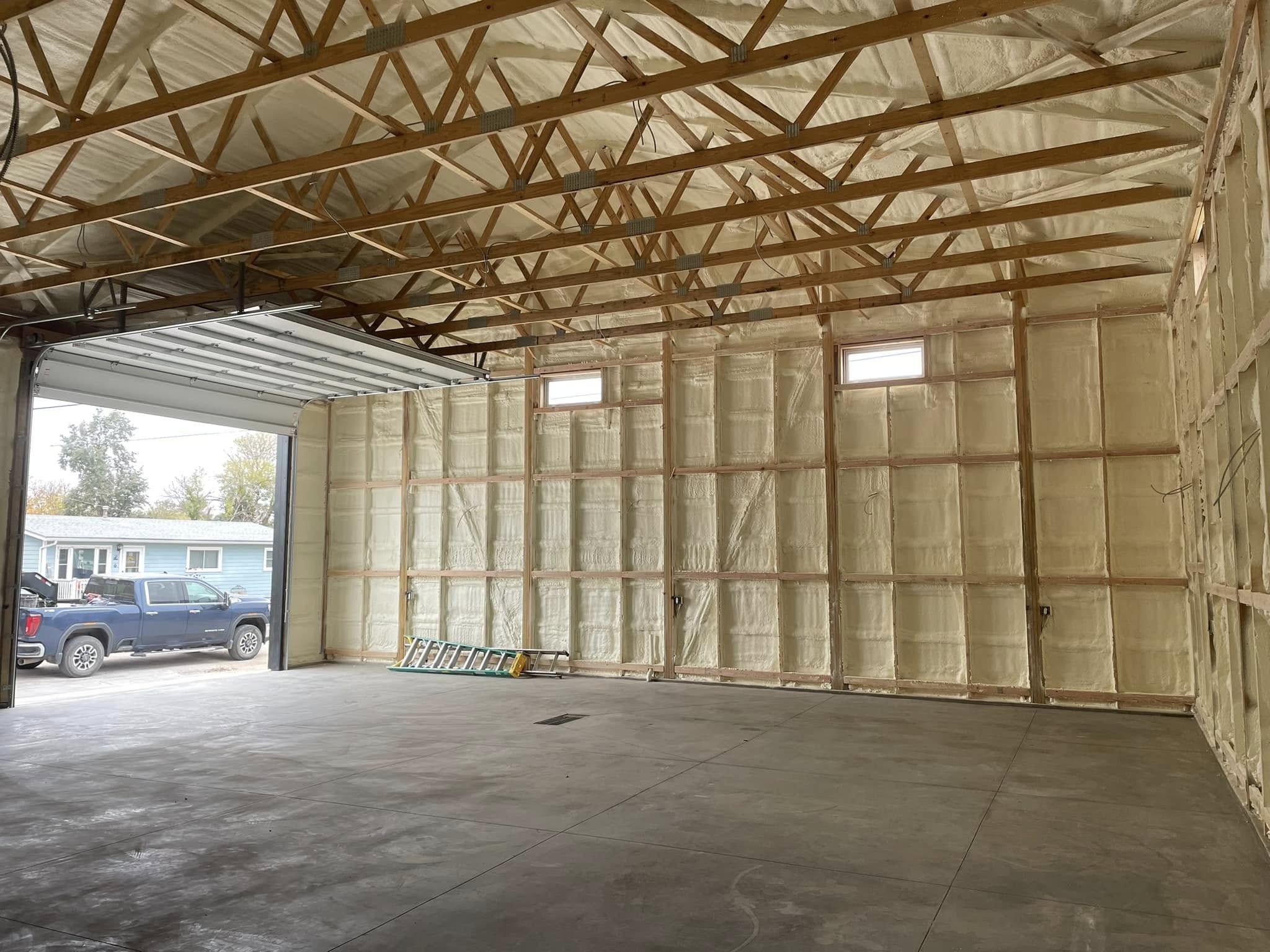
For garages, especially those attached to living spaces, closed-cell spray foam provides an effective solution due to its capacity to act as both air and vapor barrier. This helps to maintain a stable temperature and protect the space against dust and pollutants, which is especially advantageous if the garage doubles as a workshop or storage for temperature-sensitive items.
Conclusion
Choosing the right spray foam insulation for different areas of your home involves weighing several factors, such as budget, climate, and specific needs like moisture control or soundproofing. By understanding the unique properties of both open-cell and closed-cell spray foam, you can make informed decisions that optimize your home's energy efficiency and comfort. For professional guidance and installation, it's always a good idea to consult with experts such as the team at Spray Foam It, ensuring your home is insulated perfectly to meet your needs. Whether you're starting from scratch or upgrading existing insulation, a tailored approach will ensure you get the best performance and value in your investment.
/filters:no_upscale()/filters:format(webp)/media/f0d2320d-2fcf-443c-a670-3449cff4e1bb.jpeg)